Mission
Empower people, strengthen families and improve communities through awareness, education, healthcare, livelihoods, welfare and collective action.
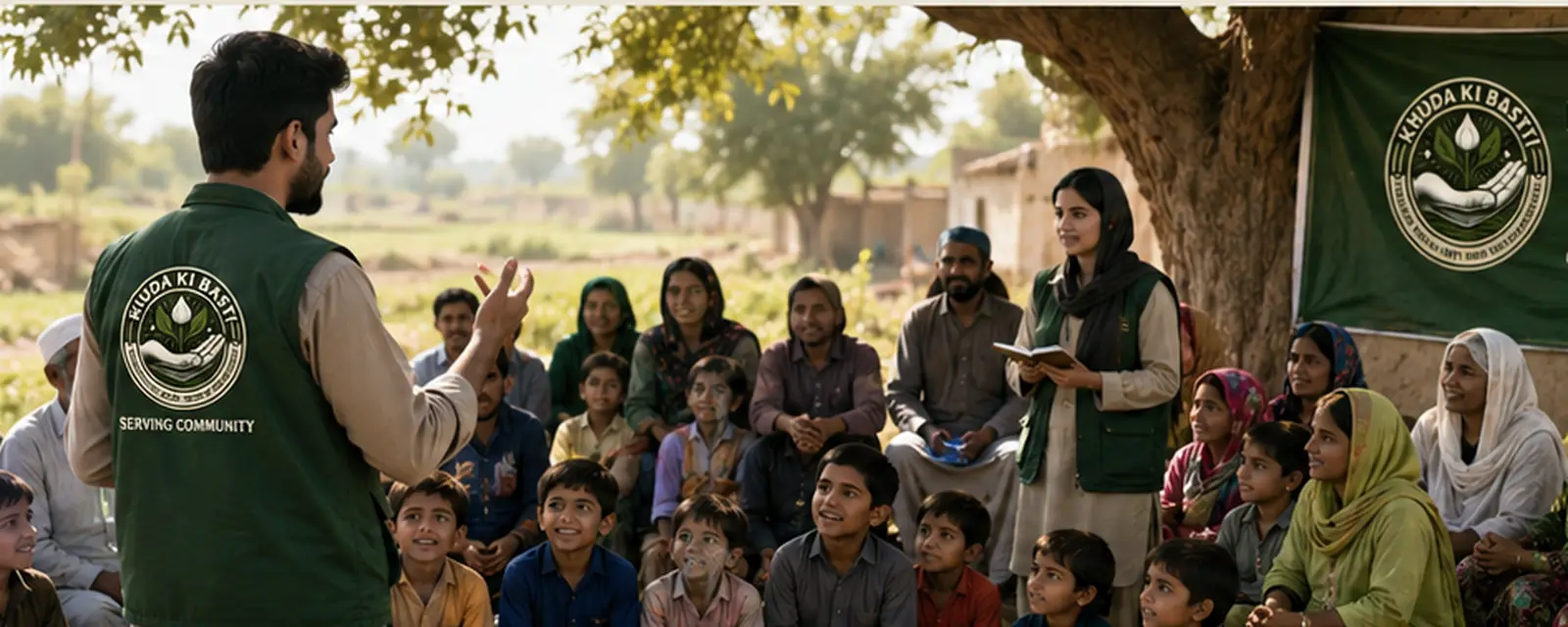
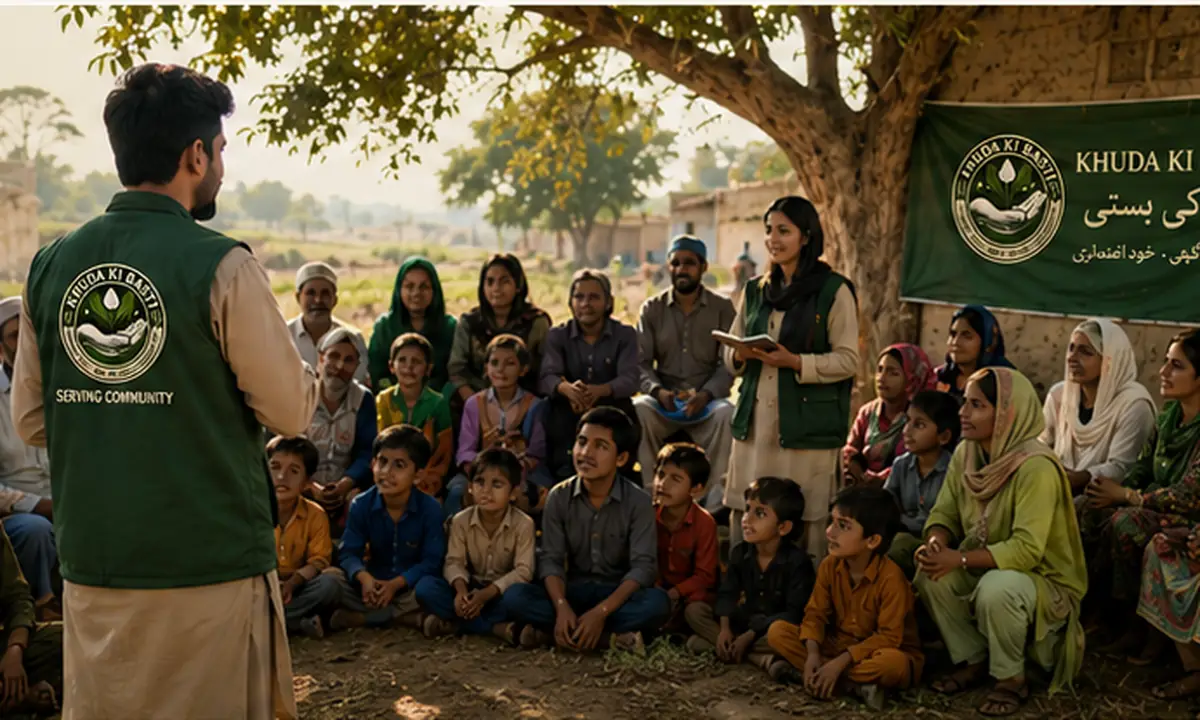
Khuda Ki Basti is a structured community-development movement that brings residents, local leaders, educators, volunteers and supporters together around a shared purpose: to build a just, informed and self-reliant society.
Our approach connects education, healthcare, livelihoods, social welfare, community governance, environmental responsibility and transparent public service. Relief addresses urgent hardship; lasting development must build knowledge, opportunity, responsibility and local capacity.
Freedom Through Unity, Power Through Awareness
Unity gives a community direction. Awareness gives it the power to choose, organize and improve its future.
The figures below are historical project estimates recalled from earlier records. Confirm and date every number before the public launch.
Historical figures — current verification required before publication
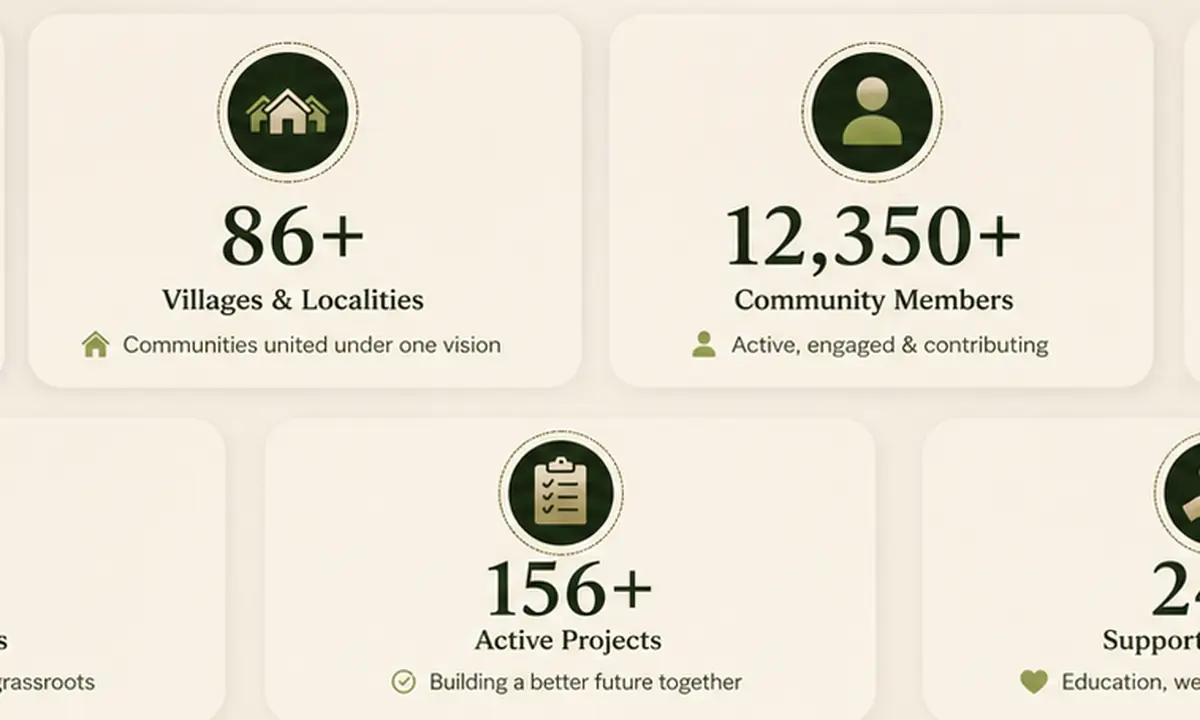
The website is organized around clear community journeys rather than a long list of disconnected pages.
Learn why Khuda Ki Basti was established and how its development model works.
02Use a dignified, verified and privacy-conscious pathway to seek assistance.
03Register your interest, skills, area and availability to contribute.
04Choose a verified programme or project and review its purpose and progress.
Khuda Ki Basti is not designed as a temporary campaign or a website that simply asks for donations. It is a framework through which communities can identify their needs, organize lawful leadership, develop local knowledge, protect vulnerable people, create opportunity and publish accountable records.
The movement remains subject to the laws of Pakistan and does not replace government departments, courts, police or other statutory authorities. Its proper role is community organization, development, awareness, lawful cooperation, documented service and peaceful problem-solving.
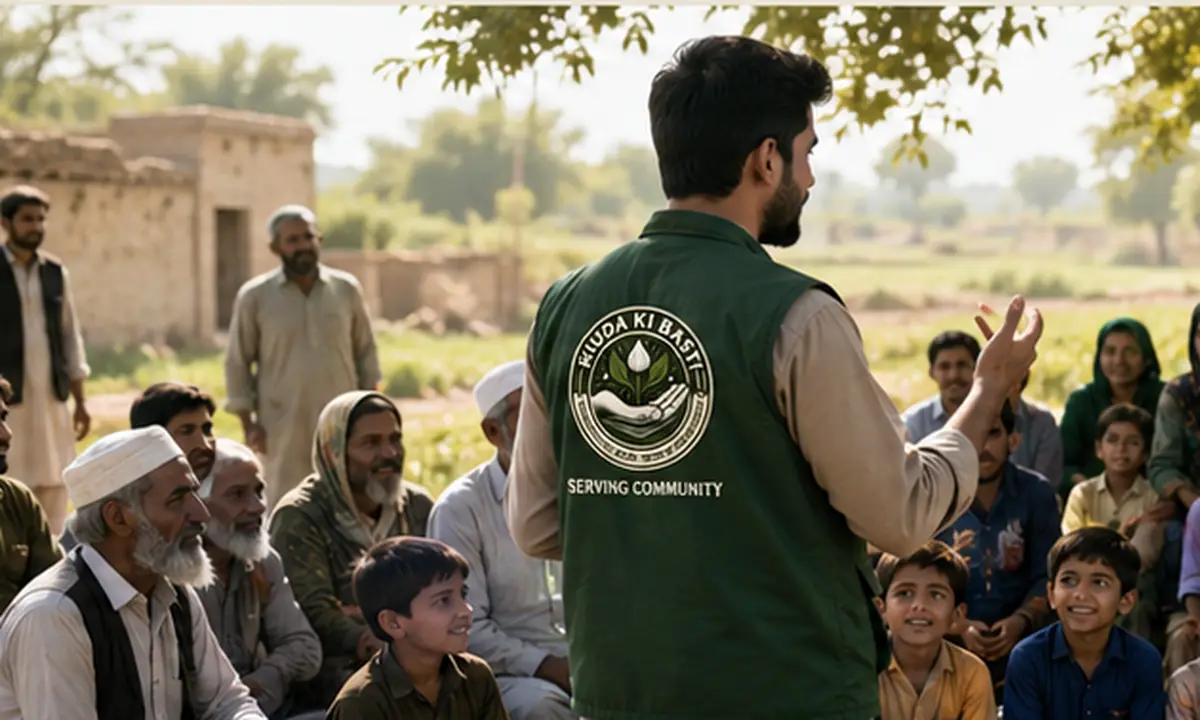
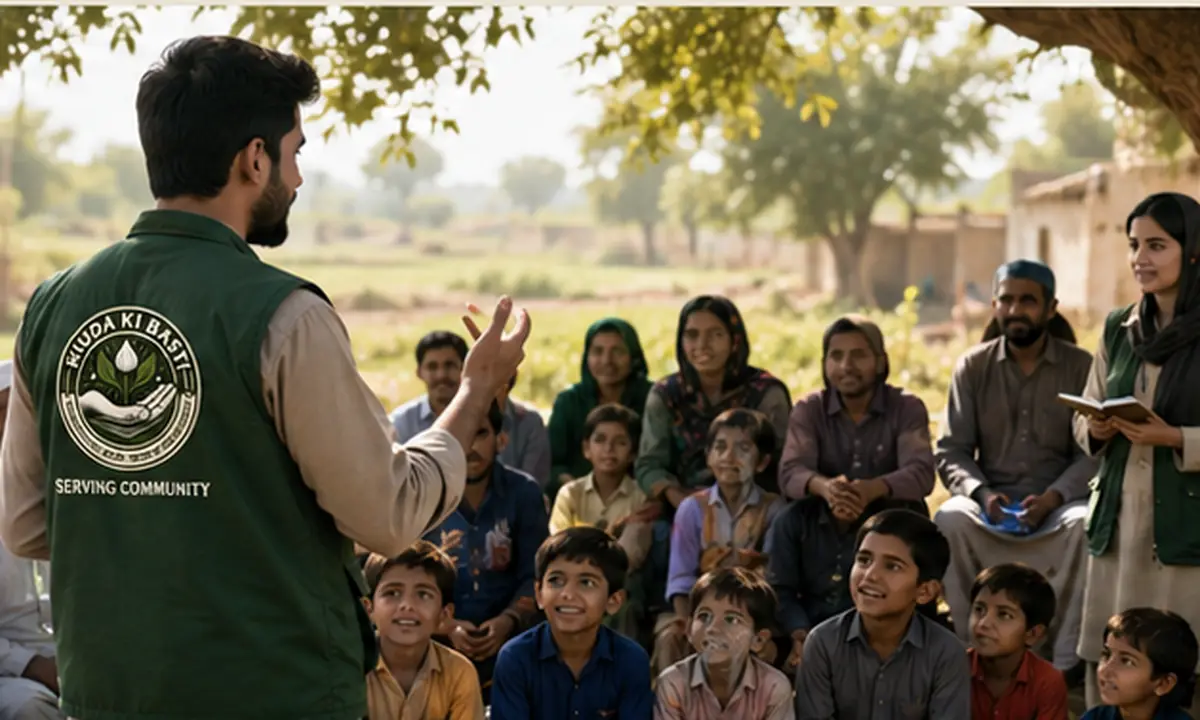
The founding vision associated with Mr. Mukhtar Ahmad Mukhtar is that poverty, division and helplessness cannot be answered by charity alone. Communities need education, organization, honest leadership, health, work, shared responsibility and awareness of their rights and duties.
Help people meet today’s hardship, but build systems that allow them to shape tomorrow.
The final founder’s message should be reviewed and approved in his own words before launch. This section is structured to preserve the original philosophy without inventing personal quotations.
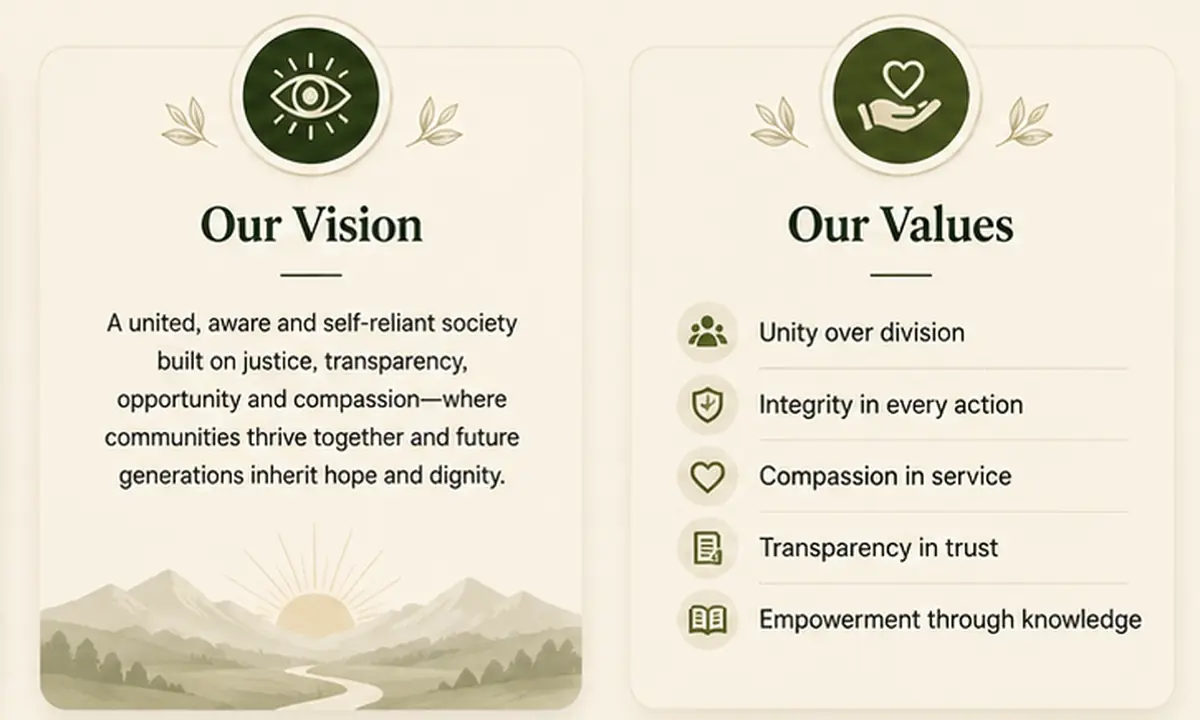
A clear institutional foundation keeps every programme, leader and public statement aligned with the same purpose.
Empower people, strengthen families and improve communities through awareness, education, healthcare, livelihoods, welfare and collective action.
A united, aware and self-reliant society grounded in justice, dignity, opportunity, transparency and responsibility.
Unity, integrity, compassion, fairness, service, knowledge, accountability, inclusion and environmental care.
Create a practical model that can improve local communities and be adapted responsibly in other areas.
The constitution defines purpose, rights, duties, leadership responsibilities, accountability, decision-making and the safeguards that protect the movement from personal, political or financial misuse.
The final public version should be searchable by chapter, available in English and Urdu, and accompanied by an amendment record and approval date.
Constitution publication centreTransparent, accountable and participatory leadership.
Rights, responsibilities, conduct and participation.
Learning, literacy, research and skills development.
Prevention, access, support and public wellbeing.
Work, enterprise, agriculture and self-reliance.
Dignified protection for vulnerable people and families.
Fair mediation, lawful escalation and community safety.
Land, water, cleanliness, conservation and sustainability.
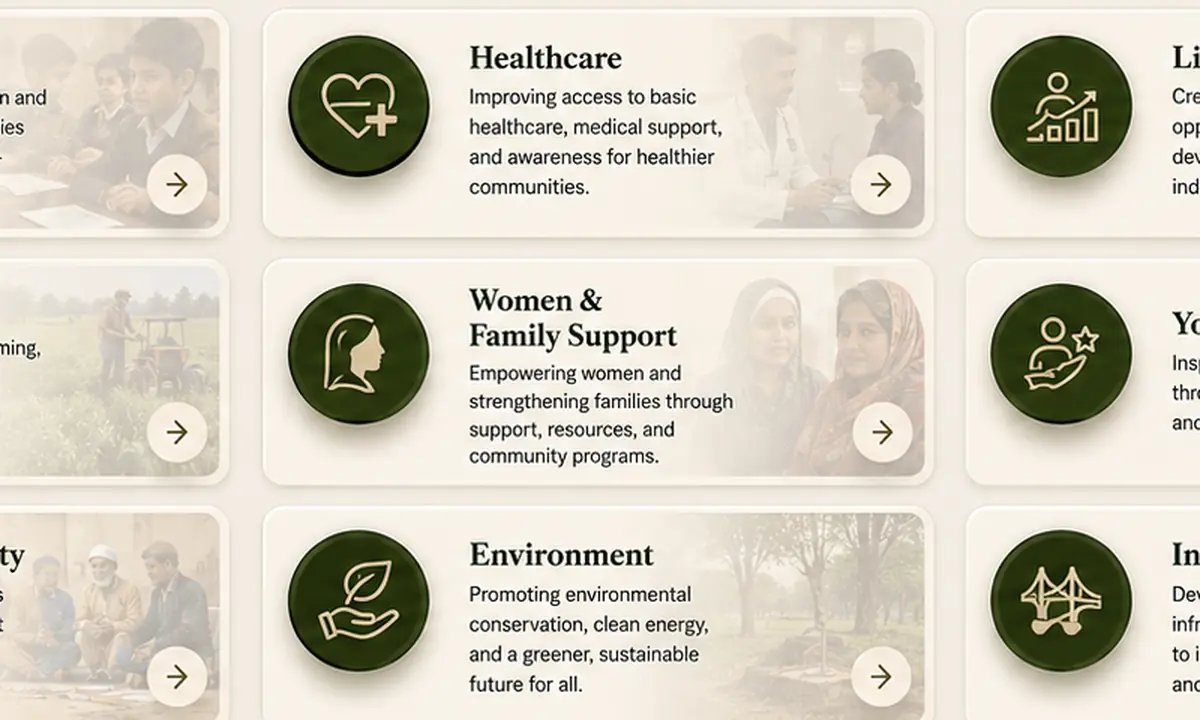
A complete community-development model must address the connected causes of hardship rather than treating every problem separately.
School support, adult literacy, scholarships, libraries, digital learning and career guidance.
Preventive awareness, screening, medical camps, referrals, medicine assistance and sanitation.
Skills, job pathways, small enterprise, apprenticeships and dignified economic opportunity.
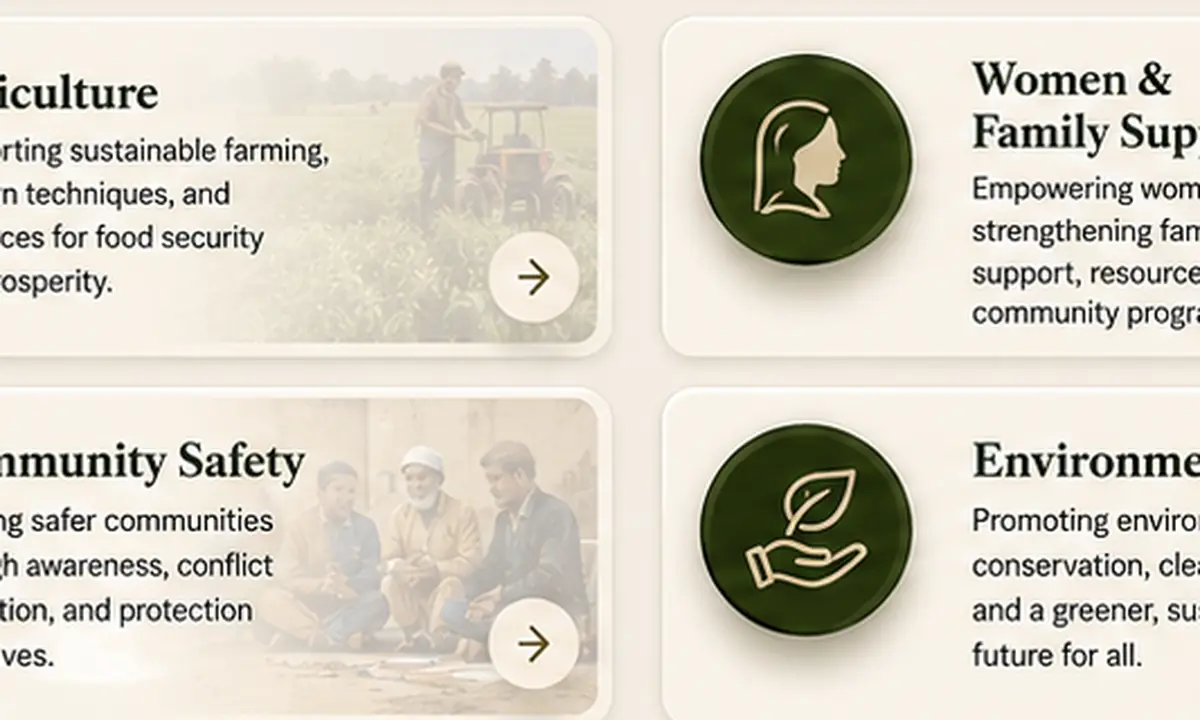
Farming knowledge, food security, water management, livestock and productive land protection.
Family support, livelihoods, learning, safety, healthcare and responsible community participation.
Mentoring, education, sport, leadership, volunteering and positive alternatives to harmful behaviour.
Awareness, lawful reporting, peaceful mediation, child protection and emergency readiness.
Tree planting, clean neighbourhoods, water conservation, waste management and responsible growth.
Community documentation and coordination for roads, water, drainage, lighting and public facilities.
Authority should remain defined, limited, reviewable and connected to service. No title should place a person above the constitution or public accountability.
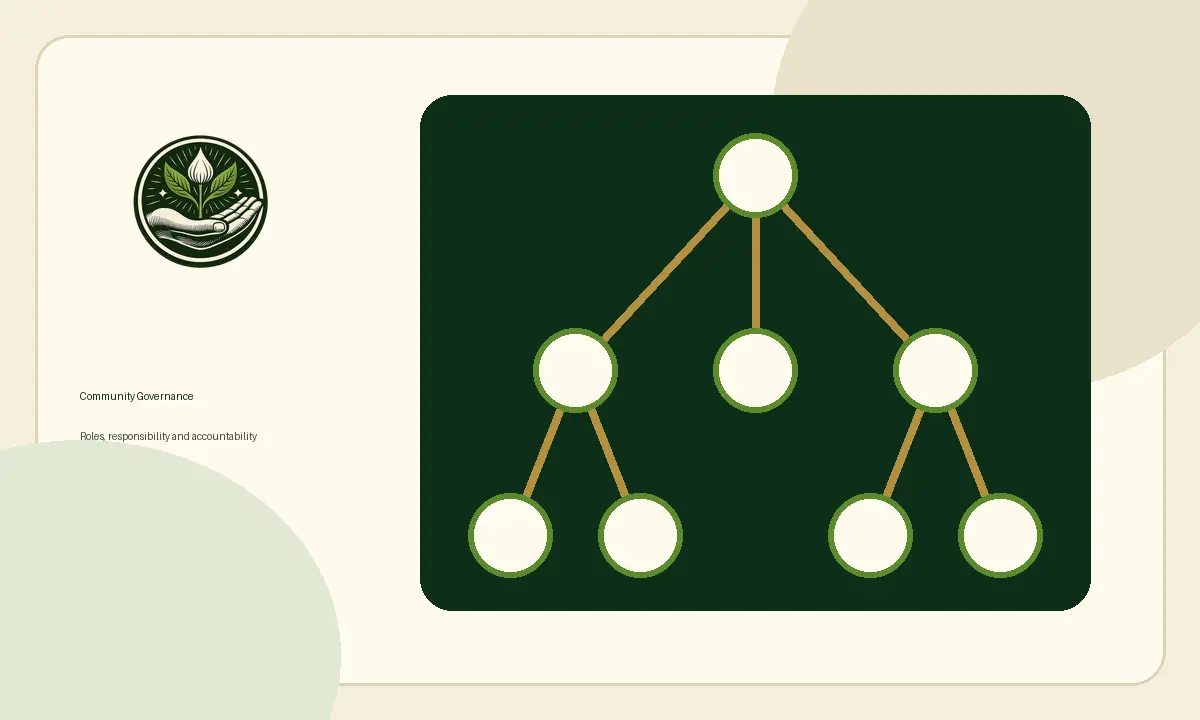
Appointments, elections, terms, meetings, conflicts of interest, removal procedures and appeals must follow the approved constitution and be recorded properly.
The public directory should show verified service areas, local priorities and institutional contacts without exposing private household or medical information.
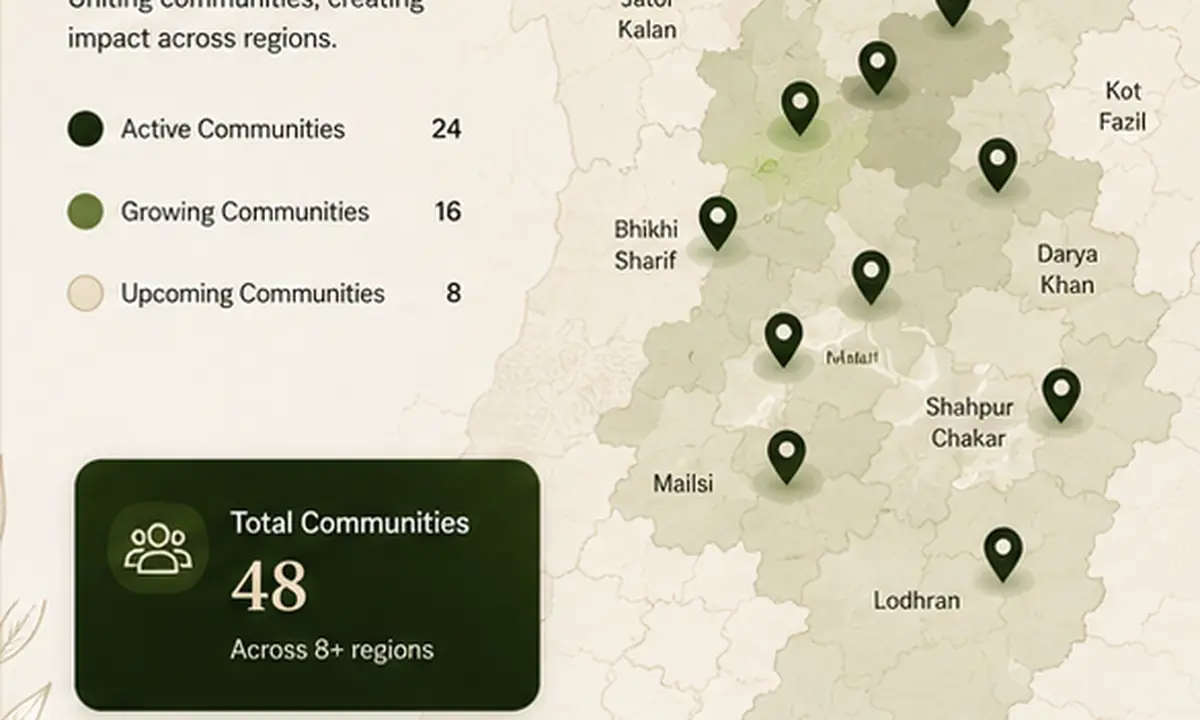
Area name, verified population, institutions, coordinator, active services and current priorities.
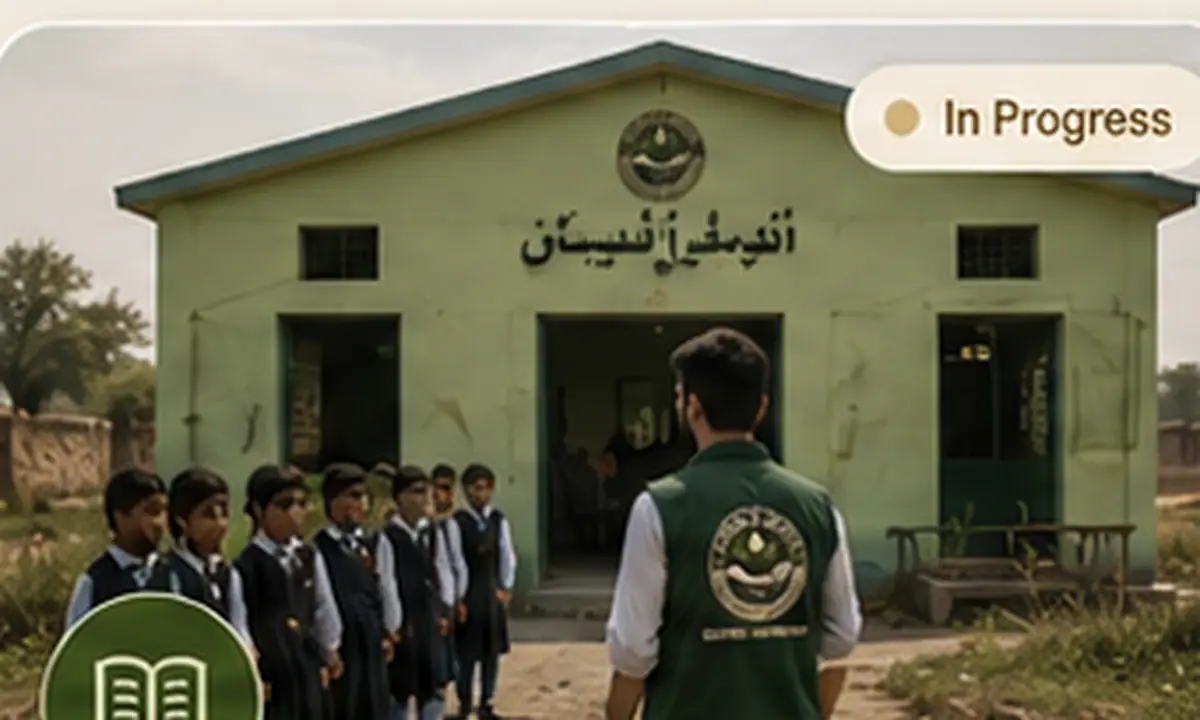
Schools, enrolment support, learning needs, volunteers and approved programmes.
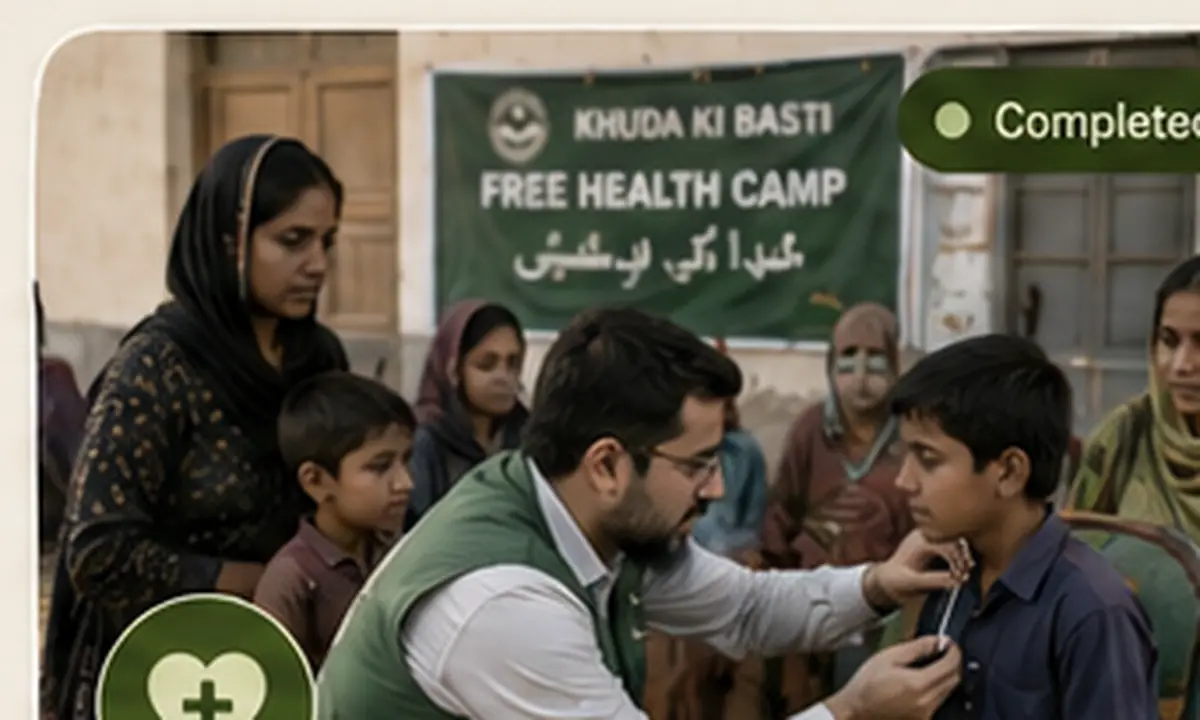
Public services and verified needs only; no private patient information.
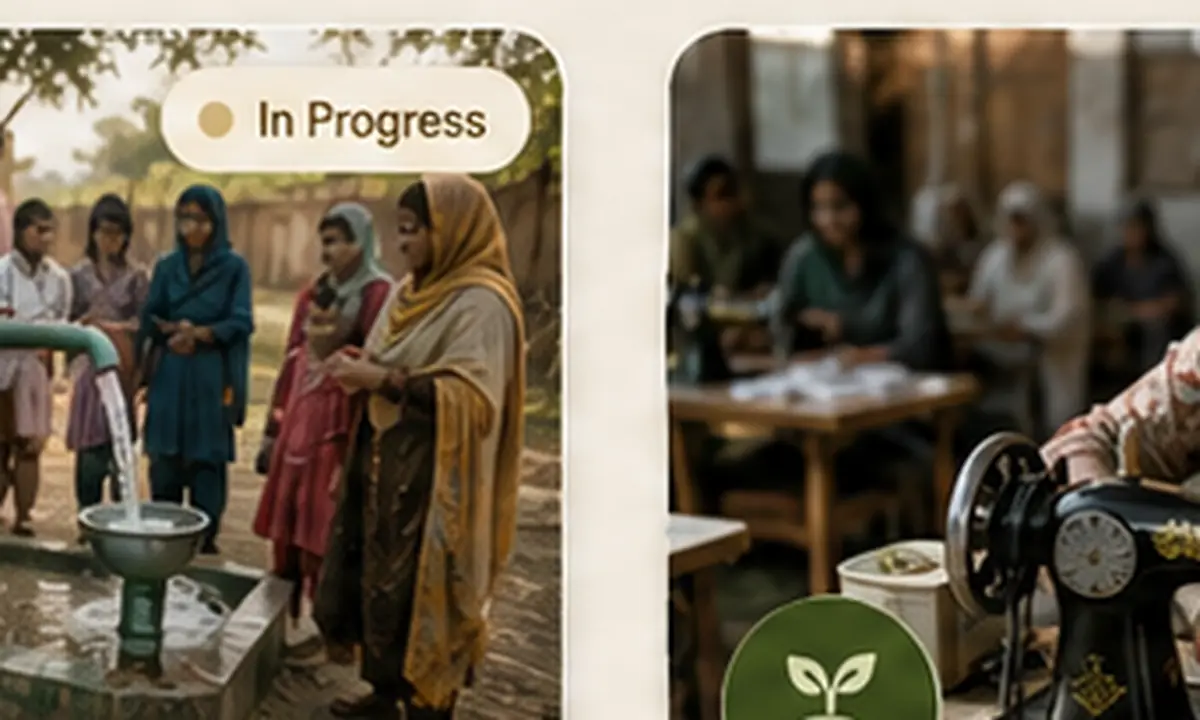
These cards demonstrate the approved publishing structure. Replace every illustrative programme record with a verified project, location, budget, status, evidence and responsible officer before launch.
School support, learning materials, attendance, literacy and student assistance.
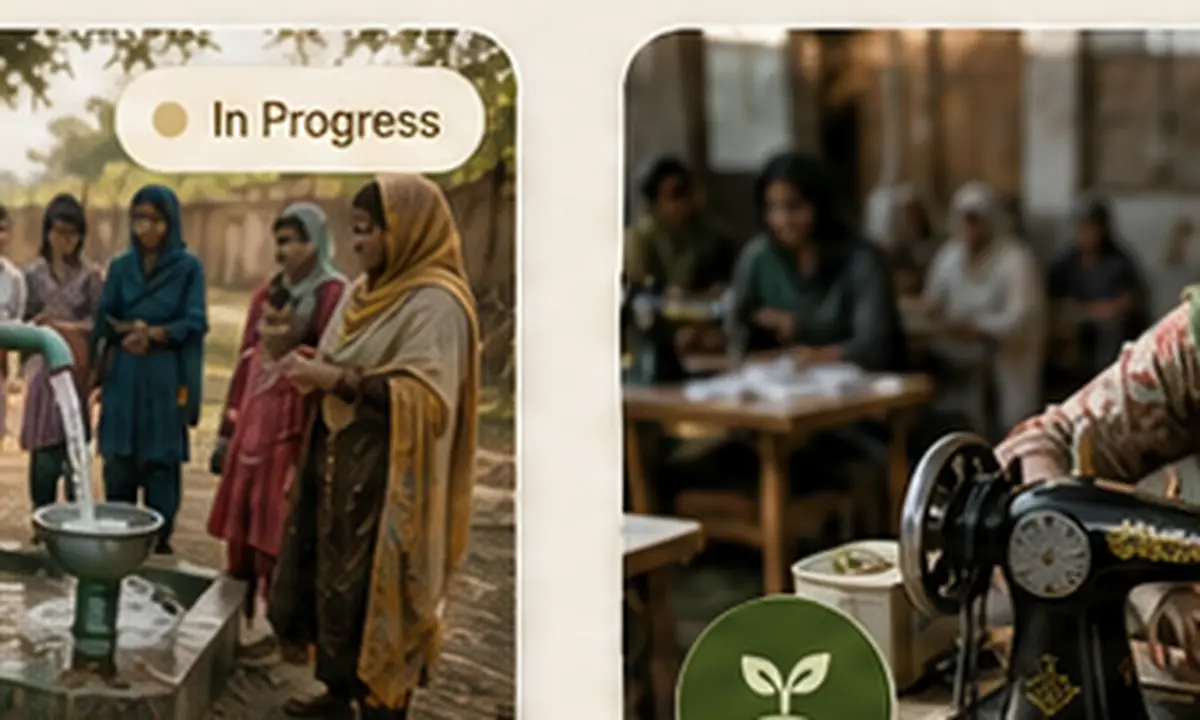
Safe water, hygiene awareness, drainage documentation and local maintenance.
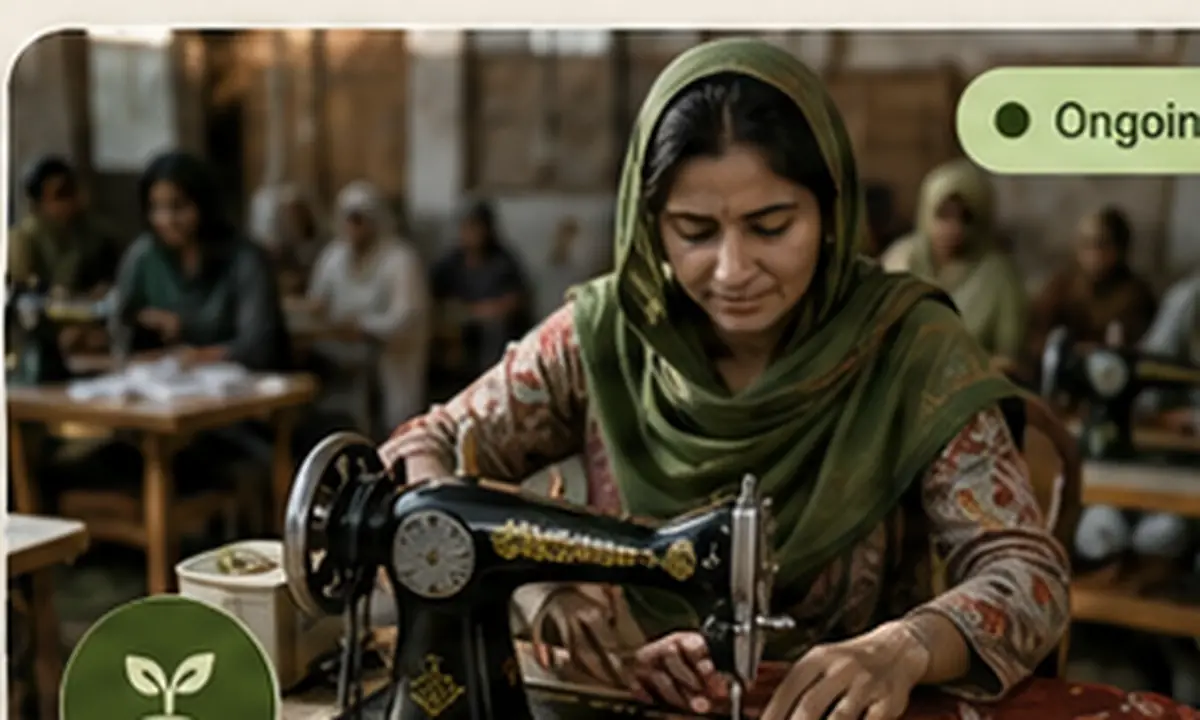
Training, tools, apprenticeships, job matching and responsible enterprise support.
Screening, preventive education, referral support and approved medical assistance.
Public support must be based on verified need, fair criteria, informed consent and careful protection of personal information.
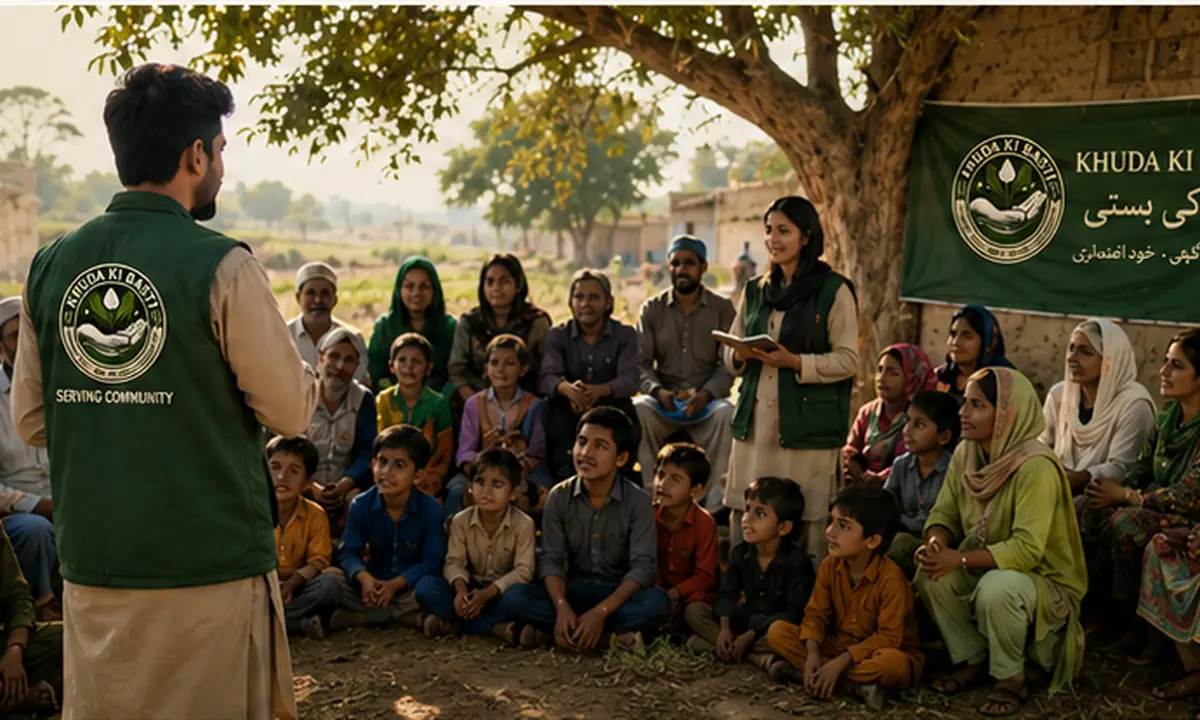
Assessment, referral, medicine or treatment support under approved rules.
Fees, materials, uniforms, transport or learning needs after verification.
Respectful household support without public exposure or political influence.
Mobility, care, access, education, livelihood and referral pathways.
Community-level problems supported by location evidence and responsible plans.
Time-sensitive assistance with documented approval and follow-up.
The dashboard is designed to publish verified financial and project information. No sample number shown in a design preview should be treated as a real figure.
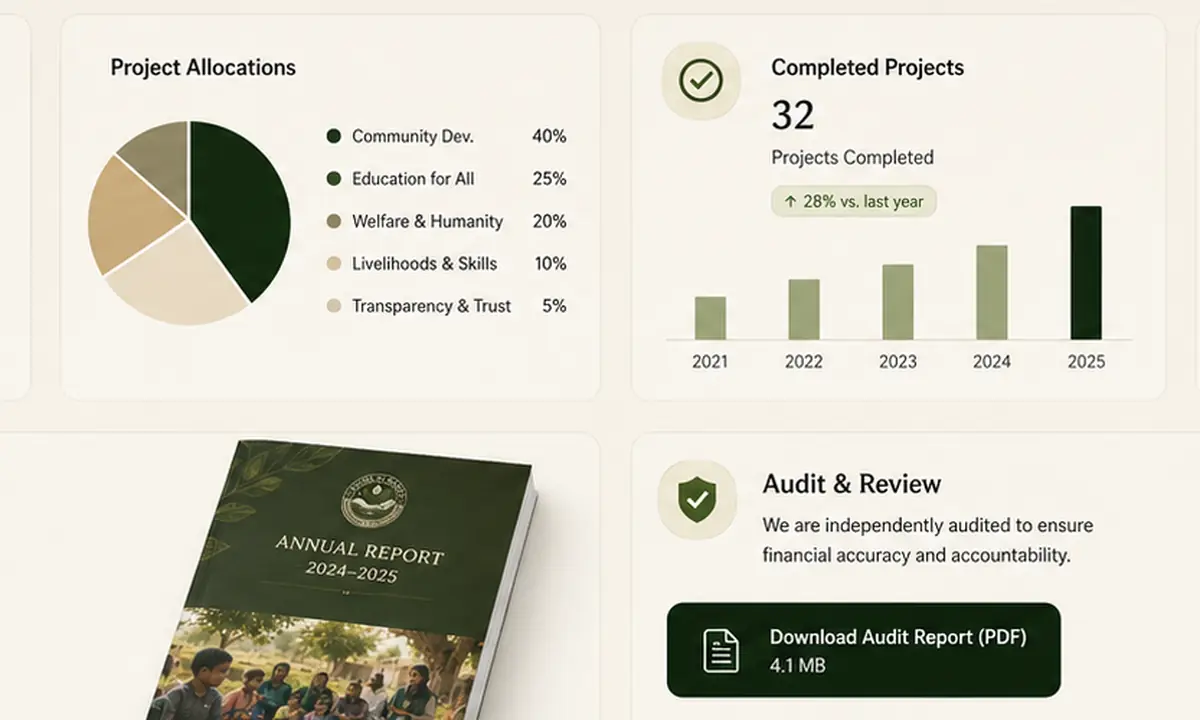
Reporting period, opening balance, income source, expenditure category, project allocation, supporting documents, approval authority, closing balance and review status.
Open reports and documentsEducation includes formal schooling, adult literacy, digital access, vocational training, career guidance, libraries, research and the practical knowledge residents need to understand services, rights and opportunities.
The public website may explain health programmes, camps, referral pathways and verified needs. Detailed medical records belong in a protected system with consent, role-based access, audit logs and strict retention rules.
Long-term independence depends on skills, employment, enterprise, agriculture and fair access to opportunity. Support should help capable people become earners, contributors and mentors within their own communities.
Productive land, clean water, healthy soil, livestock, trees, waste management and responsible construction are central to food security, health and long-term rural prosperity.
The public theme introduces these services; the actual records must be managed by a separate secure plugin and protected database.

Collect only what is necessary, explain why it is needed, record consent and restrict sensitive fields to authorized users.

A future card may show a member number, photograph, locality, status, review date and signed QR verification without exposing national identity or medical data.
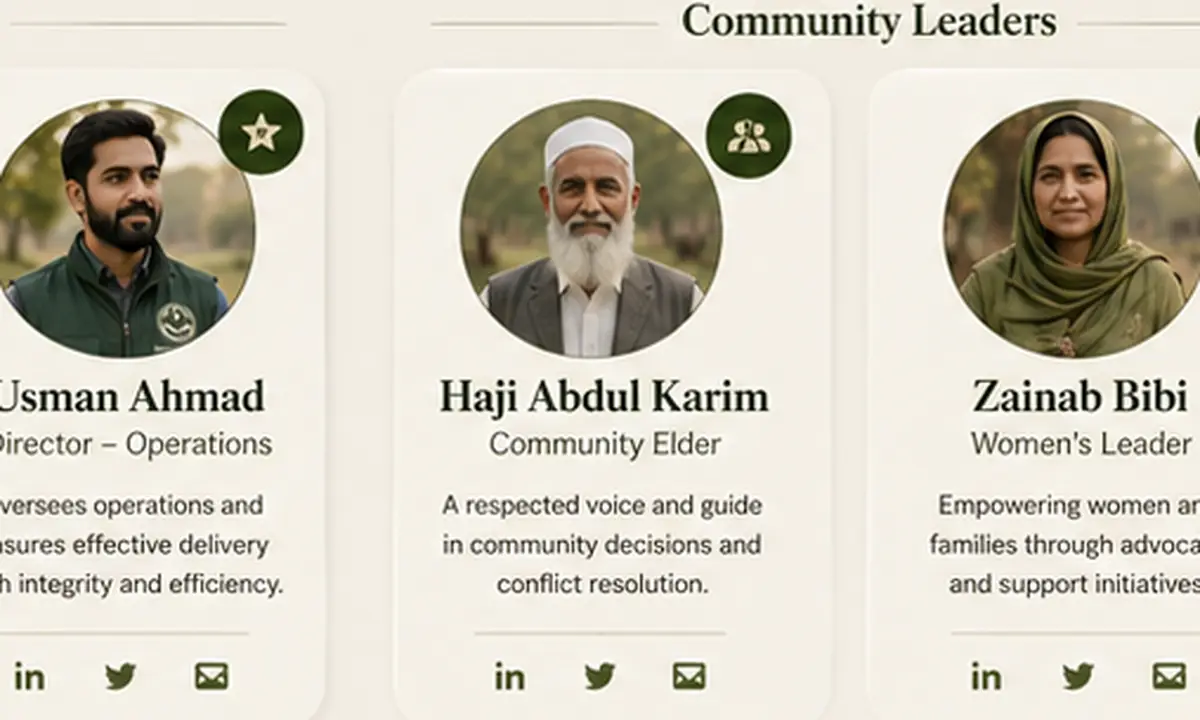
No unverified portrait, position or biography is included. Publish only approved office-holders, role descriptions, appointment dates and areas of responsibility.
Vision, institutional purpose and long-term stewardship.
Policy, oversight, finance and programme accountability.
Area planning, public meetings and responsible coordination.
Community voice, reporting and communication.
Household verification, referrals and service follow-up.
The document centre should distinguish approved documents from drafts, record publication and revision dates, and retain previous versions where appropriate.
Approved chapters, amendments, member rights and leadership rules.
Review structure →Privacy, safeguarding, donations, conflicts, complaints and access control.
Review safeguards →Verified activities, finances, outcomes, limitations and future priorities.
Review reporting model →Purpose, beneficiaries, budget, evidence, progress and completion record.
Review project structure →Eligibility, duties, conduct, suspension, appeal and data responsibilities.
Review membership system →Decisions and actions suitable for publication without exposing private cases.
Review update centre →

The literature section will explain why communities remain divided, how awareness changes public choices, why charity alone cannot end poverty, what ethical leadership requires and how a village can develop the institutions needed for a better future.
It can publish the founder’s approved writings, the constitution, research notes, educational articles, leadership guidance and the future Khuda Ki Basti book or manifesto.
Separate community notices, programme updates, events, reports and founder messages so readers can understand what changed, where and when.
Each update should link to the verified project record and explain progress, delays, next steps and any changed budget or timeline.
Publish location, eligibility, date, time, organizer and contact details.
State what is offered, what is not offered and how records will be protected.
These answers define the intended operating model. Update them after the constitution, registration details and service rules are formally approved.

Khuda Ki Basti is a community-development movement working toward self-reliance through unity, awareness, education, healthcare, livelihoods, welfare and responsible local leadership.
No. It is designed to operate under the laws of Pakistan and to support lawful community organization, awareness, development, volunteering and cooperation with relevant authorities.
Eligibility, responsibilities, conduct and local verification will follow the final approved membership rules.
Requests should be assessed through a dignified and secure process based on verified need, programme rules, available resources and priority criteria.
Each verified project should publish its purpose, budget, funds received, expenditure, progress, evidence and outcome through appropriate reports.
No. Sensitive identity, household and health information must remain protected and accessible only to specifically authorized roles.
Volunteers will be able to register their skills, time, location and availability for approved education, health, administration, awareness and development activities.
The final approved constitution will be published in a searchable chapter-based format in English and Urdu, with amendments and approval dates.
There is a place for residents, volunteers, educators, health professionals, researchers, farmers, skilled workers, donors and community institutions—but participation must follow clear roles, verified needs and the constitution.